★★★★★
350
☰
East Boca's year-round humidity makes air ducts a natural breeding ground for bacteria and mold — especially in older estate homes with aging ductwork. Here's how growth starts, the signs it's already happening, and what actually fixes it.
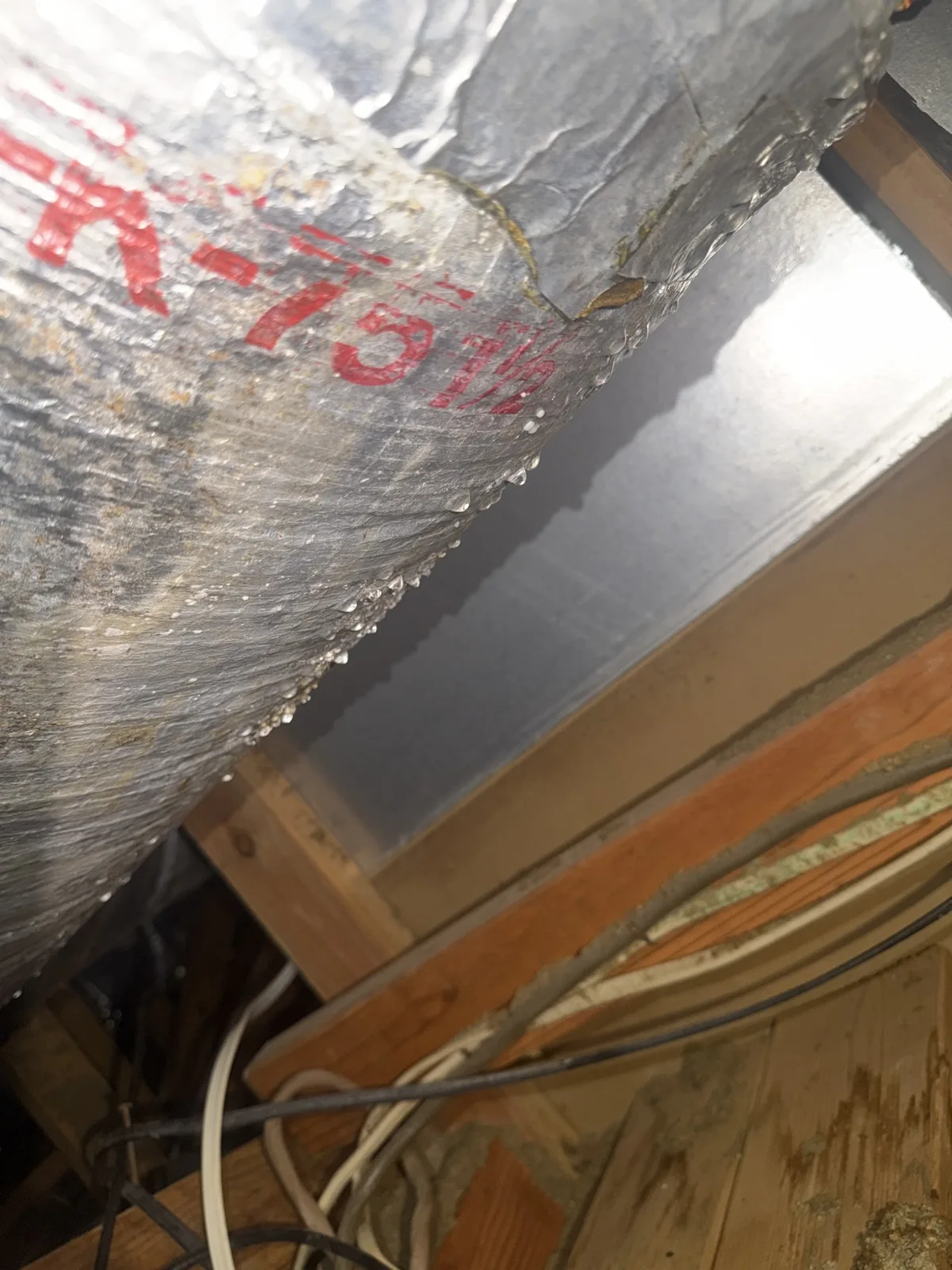
There's a reason bacteria in air ducts is a Boca Raton problem more than it is anywhere else. East of the Intracoastal — 33431, the estates of Royal Palm Yacht & Country Club, Boca Harbour, the older luxury homes between the Intracoastal and A1A — houses sit in the heaviest, saltiest, most humid air in Palm Beach County. The AC runs nine, ten months a year. The ducts live in attics that hit 130 to 150°F in summer. And a lot of these homes still carry their original ductwork: R-4 or R-6 insulation, joints sealed with tape that's long since dried out, and decades of dust settled inside every run.
Dark, damp, and full of organic material — that's the entire recipe for bacterial growth, and your duct system checks every box. This guide covers how bacteria get into air ducts in the first place, the signs they're already there, and what actually fixes it (spoiler: cleaning alone, without fixing the moisture, is a temporary answer).
Bacteria don't need much. Moisture, warmth, and something to eat — dust, skin cells, pet dander, insulation fibers — and they'll colonize any surface that's left damp. In an East Boca home, your ductwork supplies all three at once. Here's how it typically starts:
Sweating vents and ducts supply the moisture. When cold air inside the duct meets warm, humid air in the attic — or warm room air around a register — condensation forms on the cold surface. Older ducts with failing R-4/R-6 insulation sweat exactly the way a cold drink sweats on a humid day. The EPA notes that mold can begin colonizing a damp surface in as little as 24 to 48 hours, so a duct that starts sweating on a Monday can be a microbial habitat by the weekend.
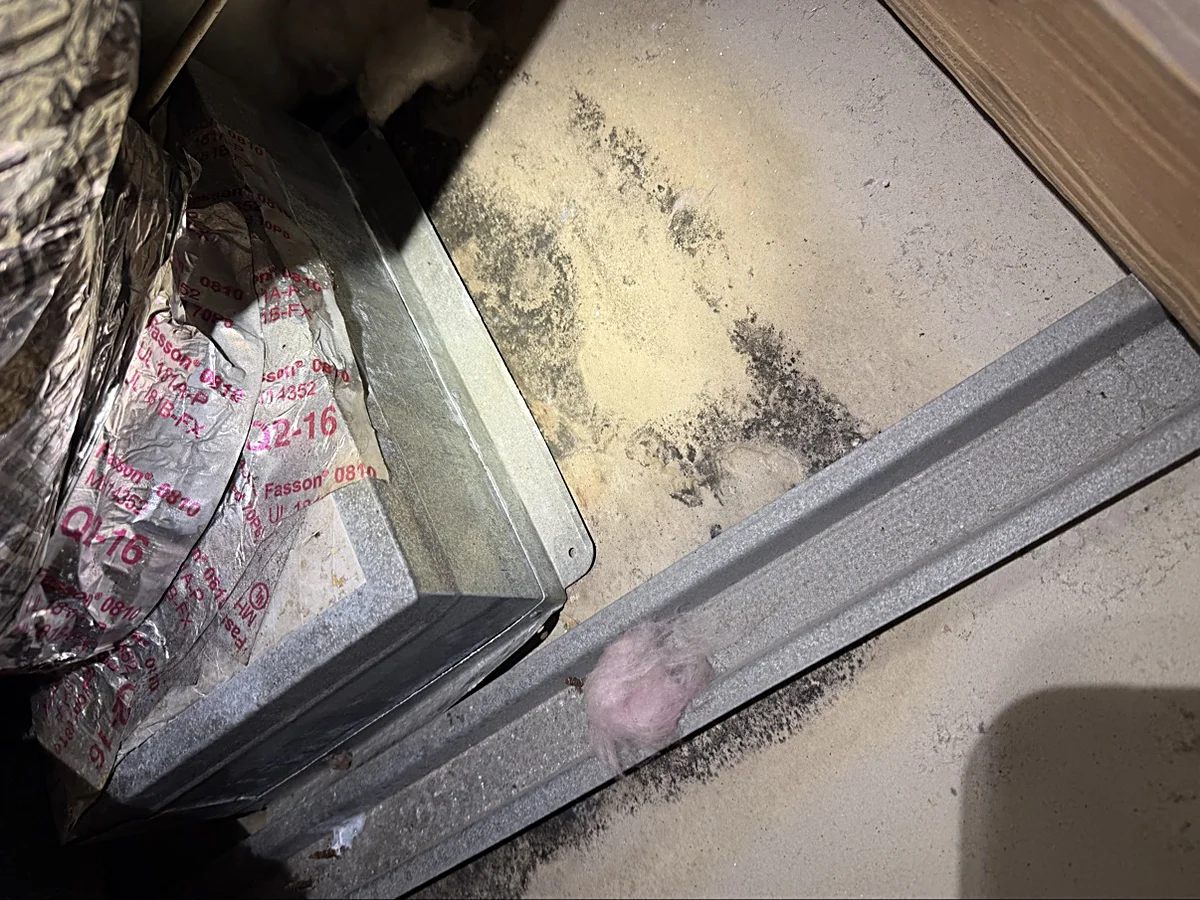
Years of dust supply the food. Every duct system collects dust, and East Boca adds its own load — fine coastal salt aerosol, landscaping dust from year-round yard work, and the normal dust every home generates. Bacterial growth feeds on organic material in that buildup, and leaky duct joints pull in even more of it from the attic with every cycle.
Then the AC spreads it. Once growth takes hold inside the duct, every time the system runs it pushes air across those colonies and distributes spores and bioaerosols through the whole house. The bedroom vents, the kitchen, the rooms where your family sleeps — all of it breathing the same circulated air. That's why the symptoms show up everywhere, not just near one vent.
Most homeowners blame allergies, a lingering cold, or "just the season" — and months later discover the ducts were the problem all along. If two or three of these are true in your home, your air ducts deserve an honest look:
Let's be straight about this, because the internet is full of scare tactics on both sides. Poor indoor air quality from contaminated ductwork is linked to the same complaints over and over: persistent sneezing and congestion, itchy or watery eyes, sore throats, headaches, and the feeling that you just can't quite shake a cold. Children, older adults, and anyone with asthma or allergies tend to feel it first and worst. What nobody honest can do is diagnose your symptoms from a blog post — so we won't.
What we will say: if your family has been chasing symptoms for months — allergy meds, air purifiers, blaming the pollen — and the house keeps winning, the ducts are worth ruling out. An inspection with before-and-after photos costs you nothing but the phone call, and it either confirms the problem or eliminates it for good. That's a better answer than another round of guessing.
Not every Boca Raton home faces the same risk. The 33431 corridor east of the Intracoastal gets the worst of it: constant salt aerosol riding in on the ocean breeze corrodes metal vent components and duct fittings, tiny gaps around windows and doors let humid outdoor air in day and night, and many of these estates were built in the 1960s through the 1980s — meaning their ductwork predates the current R-8 attic standard by decades.
Add seasonal homes that sit closed up for months (stagnant air, no AC running to pull moisture out) and second-floor systems fighting the hottest air in the house, and East Boca is about as favorable an environment for duct growth as South Florida builds. It doesn't mean your home has a problem — but it does mean a sweating vent in 33431 is worth taking seriously instead of wiping down and forgetting about.
Here's the honest sequence — in this order, because the order is what makes the fix last:
1. Check what you can check. Pull a vent cover and look at the registers — discoloration or dampness there is worth seeing a tech about. Check your filter (a dirty filter starves airflow, which makes condensation worse), and look for sweating or water marks on ceilings near vents. Wipe the covers down, but know that cleaning the cover doesn't clean the duct.
2. Get a real inspection. A free on-site inspection from our techs looks inside the ducts — not just at them — with before-and-after photos so you see exactly what's in there. You'll get a straight answer: is this a cleaning job, a moisture-fix job, or a replacement job?
3. Fix the moisture, then clean. Cleaning removes the buildup bacteria feed on, but if the sweating comes back, so does the growth. That usually means sealing leaky duct joints, bringing attic duct insulation up to the R-8 standard, clearing the condensate drain, or — when the system is torn, crushed, or undersized — replacing the ductwork. Anyone who sells you a cleaning without asking about the moisture is selling you a repeat appointment.
4. Keep humidity in check. Holding indoor humidity in the 45–55% range makes it meaningfully harder for growth to restart. A whole-home dehumidifier helps with the air side — but it's a partner to the duct fix, not a substitute for it.
The honest answer is it depends on what's causing it — and that's exactly what the free inspection is for. For reference: air duct cleaning runs $200 to $500 residential. If the cause is failed duct insulation, re-insulating the system is roughly $1,000 to $2,700. And if the ductwork itself is done — torn liners, crushed runs, insulation that's failed throughout — a full duct replacement for an average smaller residential home typically runs $3,500 to $9,500, varying on home sizing, layout, and materials required. No hidden fees, no upsells, same price for everyone — and we'll put the number in writing before any work starts.
Air Duct Specialists LLC serves East Boca Raton and all of Palm Beach, Broward, and Miami-Dade. Free on-site estimates, same-day service, licensed & insured. Florida license CAC1825166. 350 five-star Google reviews.
📞 (561) 331-6777 — Palm Beach 📞 (954) 302-1550 — Broward 📞 (305) 885-9911 — Miami-DadeHow can I tell if there's bacteria in my air ducts?
The most common signs are a musty or stale odor when the AC kicks on, visible discoloration around vent covers, allergy-like symptoms that linger inside the home, and condensation or sweating on the vents themselves. A professional inspection — with before-and-after photos — is the honest way to confirm what's actually inside your ducts.
Can air duct cleaning get rid of bacteria?
Professional cleaning removes the dust, debris, and organic material bacteria feed on, which makes a real difference. But if the moisture source — sweating vents, failed insulation, leaky duct joints — isn't fixed at the same time, growth comes back. That's why we inspect first and fix the cause, not just the symptom.
How fast can mold and bacteria grow in a damp duct?
Fast. The EPA notes that mold can begin colonizing a damp surface in as little as 24 to 48 hours. In a South Florida attic where ducts sit in 130 to 150-degree heat and indoor humidity runs high, a duct that starts sweating on a Monday can be a microbial habitat by the weekend — which is why sweating vents deserve attention right away.
What causes a musty smell when the AC turns on in my Boca Raton home?
Almost always it's moisture plus organic material somewhere in the system — dust buildup on the coil, a drain pan that isn't draining, or condensation inside aging ductwork. East Boca's year-round humidity gives mold and bacteria everything they need. A free on-site inspection will find the exact source and give you an honest fix.
How much does it cost to fix bacteria in air ducts in Boca Raton?
It depends on the cause. Air duct cleaning runs $200 to $500 residential; re-insulating ducts with failed insulation is roughly $1,000 to $2,700; and a full duct replacement for an average smaller residential home typically runs $3,500 to $9,500, varying on home sizing, layout, and materials required. The estimate is free, and what we quote is what you pay.
Does a dehumidifier help keep bacteria out of air ducts?
It helps with one half of the equation — indoor humidity between 45 and 55 percent makes it harder for growth to take hold. But a dehumidifier won't fix torn insulation, leaking duct joints, or a clogged condensate drain. Use it as part of the fix, not the whole fix.