★★★★★
350
☰
Bacteria growth in air ducts doesn't happen everywhere at once — it starts in specific spots: the coil, the drain pan, the boots behind your vents, any joint where humid attic air gets in. Here's where it hides in Palmetto Bay homes, and how to shut it down.
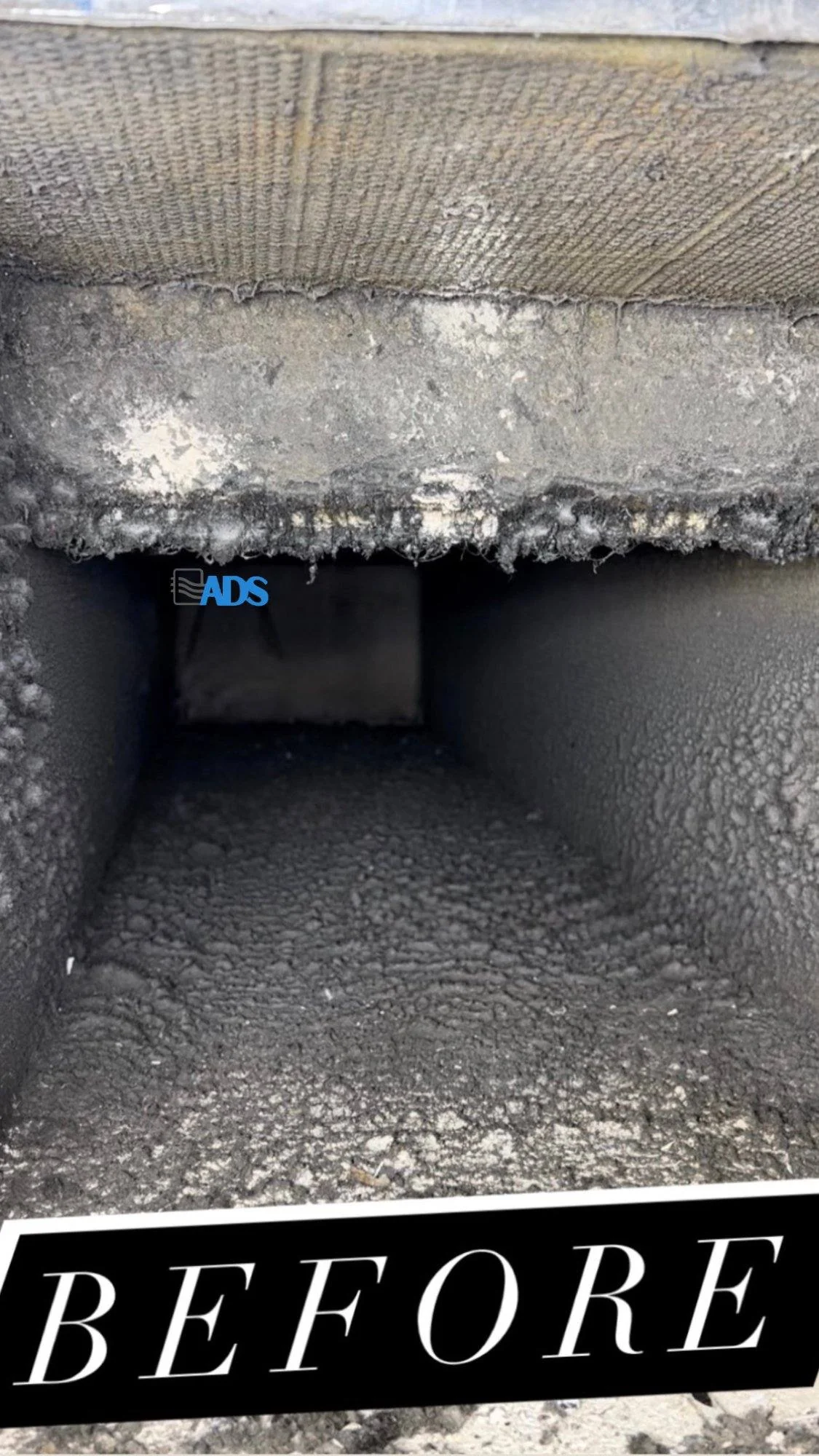
Palmetto Bay is a family-home town — big lots, long ranch-style houses from the 1960s through the 1980s, and long duct runs snaking through attics that hit 130 to 150°F all summer. The AC runs almost year-round, humidity never really lets up, and every home generates a steady supply of dust, pollen, landscaping debris, pet dander, and skin cells that collect inside the ductwork. That buildup is the food. All bacteria growth in air ducts needs after that is moisture and warmth — and a South Florida attic hands it both for free.
Growth doesn't start everywhere at once. It starts in specific places — the dark, damp corners of your system that stay wet the longest. This guide walks through the four breeding spots where bacteria growth in air ducts actually takes hold, the signs it's already started in your Palmetto Bay home, and what honestly fixes it.
Ask any tech who's opened up enough air handlers and they'll tell you the same thing: bacteria and mold don't colonize the whole duct system evenly. They settle where moisture lingers and air moves slowly. These are the four spots that matter:
1. The evaporator coil. The single biggest breeding spot in the system. The coil stays wet every time the AC runs — condensation forms on its cold fins the way it forms on a cold drink. Dust and organic material coat those fins over time, and every cycle of cooling plus moisture feeds the colonies living there. A neglected coil can re-seed freshly cleaned ductwork within weeks.
2. The condensate drain pan and drain line. The pan catches the water dripping off the coil, and the drain line carries it outside. When that line clogs — algae, slime, debris — water stands in the pan and backs up. Standing water in a dark, warm enclosure is the fastest way to grow something you don't want, and it's the one we find most often on Palmetto Bay inspections.
3. The supply boots behind the vents. The metal boot where each register meets the duct is a cold surface surrounded by warm room air — a textbook spot for condensation. Growth often starts right at the vent, which is why discoloration or dark streaks around vent covers are one of the earliest visible signs.
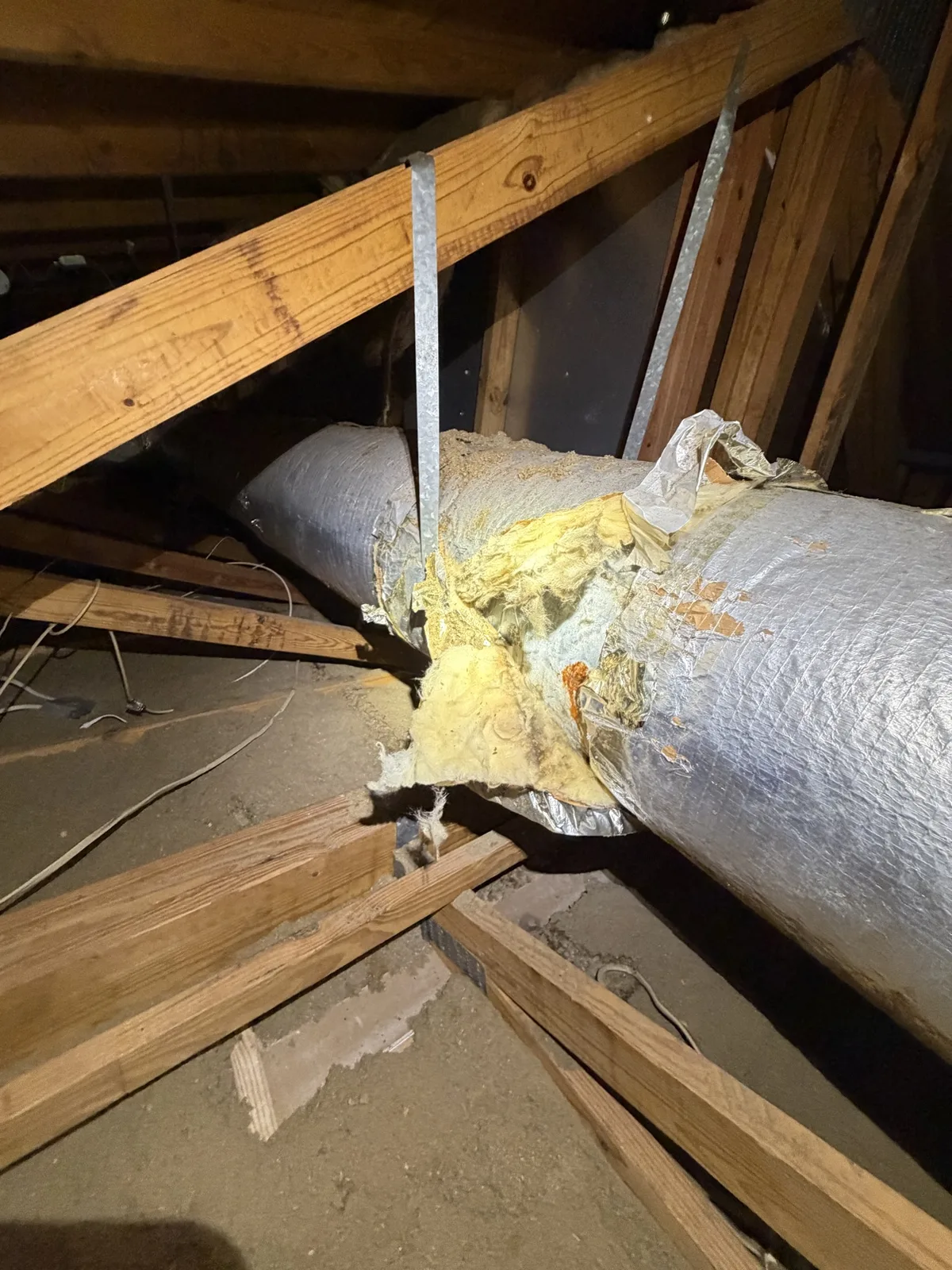
4. Leaky joints and torn insulation. Every gap in the duct system pulls humid attic air inside. The dust that collects at those leaks stays damp, and damp dust grows. Old R-4/R-6 ducts in Palmetto Bay homes sweat on the outside and breed on the inside — which is why fixing the joints and the insulation matters as much as cleaning.
It's the combination, not any single factor. Palmetto Bay's larger homes run long duct systems with more surface area for buildup, more joints to leak, and more attic exposure. The 33158 housing stock — much of it built before the current R-8 attic insulation standard — carries older, thinner duct insulation that sweats in summer. Year-round landscaping, construction dust, and pollen from the big lots add organic material to the ducts. And the AC runs nine, ten months a year, so any damp spot gets cycled constantly.
The EPA notes that mold can begin colonizing a damp surface in as little as 24 to 48 hours. Bacteria move just as fast. A supply boot that starts sweating on a Monday can be a thriving colony by the weekend — which is why a damp or musty vent in Palmetto Bay deserves a look now, not next season.
Growth is hidden by design — the ducts are behind walls and ceilings. But your home drops clues. If two or three of these are true, the system deserves an honest look:
The fix has an order, and the order is what makes it last. Skip a step and the growth comes back:
1. Change the filter — then check it monthly. A clogged filter chokes airflow, makes the coil run colder, and increases condensation — feeding the moisture bacteria need. In South Florida, 1 to 3 months is the real interval, shorter with pets or allergies.
2. Get a real inspection of the breeding spots. A free on-site inspection from our techs looks at the coil, the drain pan and line, the supply boots, and the duct runs themselves — with before-and-after photos so you see exactly what's in there. You'll get a straight answer: is this a cleaning job, a moisture-fix job, or a replacement job?
3. Fix the moisture, then clean the system. Cleaning removes the organic material growth feeds on, but if the vents are still sweating and the drain is still clogged, it's a temporary answer. The honest sequence is: clear the drain, seal the leaky joints, bring attic insulation up to the R-8 standard — then clean the coil, blower, and ducts together.
4. Keep humidity in the 45–55% range. Growth struggles to restart in drier air. A whole-home dehumidifier is a good partner to the duct fix — but it's a partner, not a substitute for it.
The honest answer is it depends on which breeding spot is the problem — and that's exactly what the free inspection is for. For reference: air duct cleaning runs $200 to $500 residential. If the cause is failed duct insulation, re-insulating the system is roughly $1,000 to $2,700. And if the ductwork itself is done — torn liners, crushed runs, insulation that's failed throughout — a full duct replacement for an average smaller residential home typically runs $3,500 to $9,500, varying on home sizing, layout, and materials required. No hidden fees, no upsells, same price for everyone — and we'll put the number in writing before any work starts.
Air Duct Specialists LLC serves Palmetto Bay and all of Miami-Dade, Broward, and Palm Beach. Free on-site estimates, same-day service, licensed & insured. Florida license CAC1825166. 350 five-star Google reviews.
📞 (305) 885-9911 — Miami-Dade 📞 (954) 302-1550 — Broward 📞 (561) 331-6777 — Palm BeachWhere does bacteria grow in air ducts?
The most common breeding spots are the evaporator coil, the condensate drain pan and drain line, supply boots behind the vents, and any duct joint or tear that lets humid attic air inside. Bacteria need moisture, warmth, and organic material — dust, skin cells, pet dander — and a South Florida duct system supplies all three.
What does bacteria in air ducts smell like?
Usually a musty, stale, or damp odor that appears or gets stronger when the AC kicks on. A smell you notice near the supply vents — and that goes away when the system is off — is the classic sign the source is inside the duct system.
Can bacteria grow in air ducts if they were cleaned recently?
Yes, if the moisture source wasn't fixed. Cleaning removes the dust and organic material bacteria feed on, but if the vents are still sweating, the insulation is still failing, or the drain is still clogged, growth comes right back. That's why we inspect first and fix the moisture, not just the symptom.
How often should I change my air filter to prevent bacterial growth?
Every 1 to 3 months in South Florida, depending on pets, allergies, and how often the system runs. A dirty filter chokes airflow, which makes the coil run colder and increases condensation — feeding the exact moisture bacteria need.
How much does it cost to fix bacteria growth in air ducts in Palmetto Bay?
It depends on where the growth is and what's feeding it. Air duct cleaning runs $200 to $500 residential; re-insulating ducts with failed insulation is roughly $1,000 to $2,700; and a full duct replacement for an average smaller residential home typically runs $3,500 to $9,500, varying on home sizing, layout, and materials required. The estimate is free, and what we quote is what you pay.
Why is Palmetto Bay more prone to bacteria growth in ducts?
Palmetto Bay's larger family homes — many built in the 1960s through the 1980s with long duct runs through hot attics — sit in year-round humidity with heavy landscaping dust, pollen, and construction dust feeding the ducts. Older R-4/R-6 duct insulation sweats easily in that climate, and every damp spot becomes a potential breeding ground.